

Angela Davis
Activist, Philosopher, Badass.

She was born in Birmingham, Alabama on January 26, 1944, one of four children. The area she grew up on was referred to as the “Dynamite Hill” neighborhood after the 1950s bombings of houses meant to drive out middle-class Black families who had moved there.
Her involvement with the Girl Scouts is where she first became involved in politics and protest; as a Girl Scout, she marched and picketed with other Scouts to protest racial segregation in her town.
This Girl Scout would grow up to be a legendary political activist, philosopher, academic and author of multiple books on class, feminism, race, and the US prison system.
In today’s installment of Brief Biographies of Badass Bitches,
Meet Angela Davis.
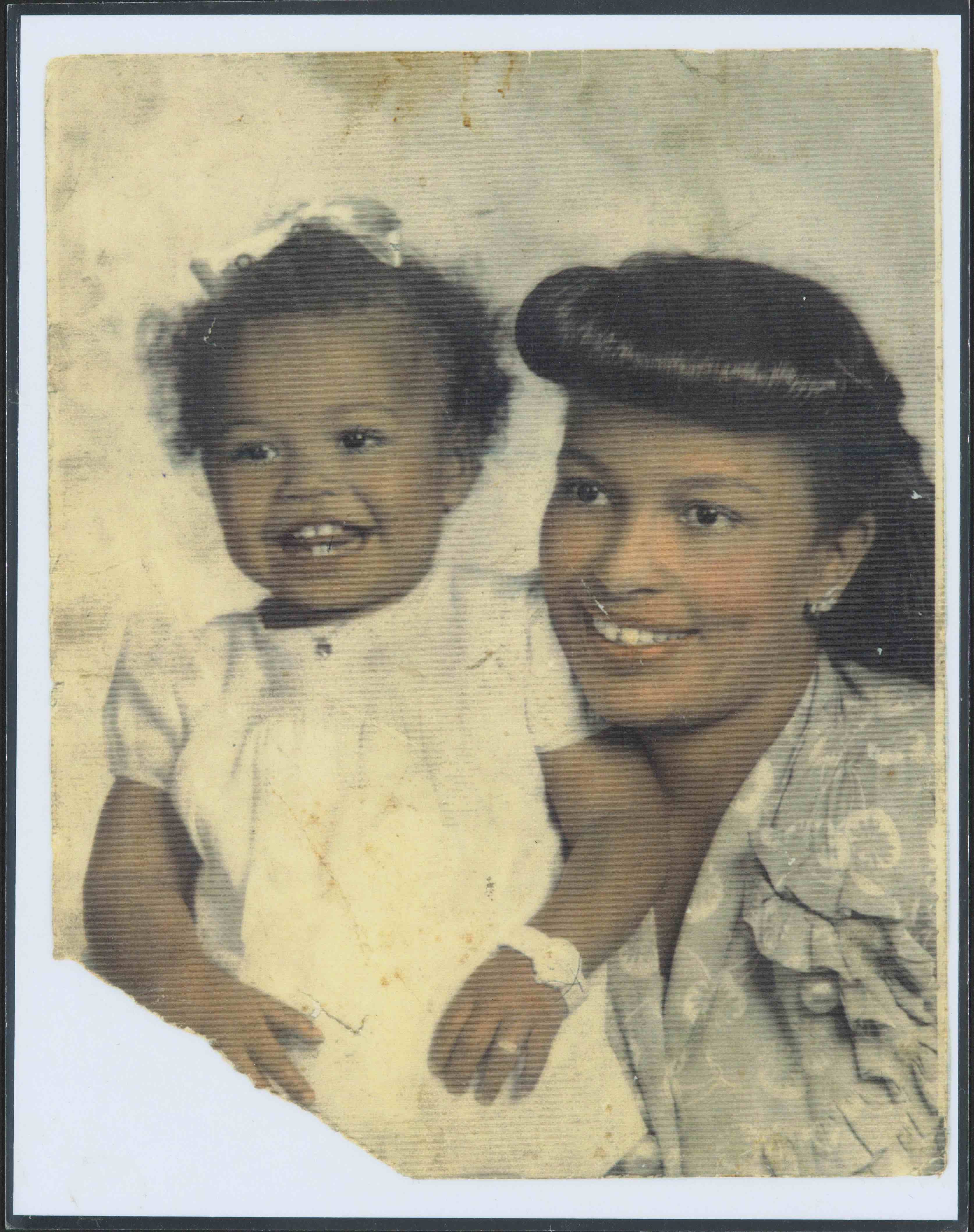
When Davis wasn’t spending time in Girl Scout activities, she was active in her church youth group. She attended Carrie A. Tuggle School, a segregated black elementary school, and later, Parker Annex Middle School in a town still under the control of notorious white supremacist politician Bull Connor.
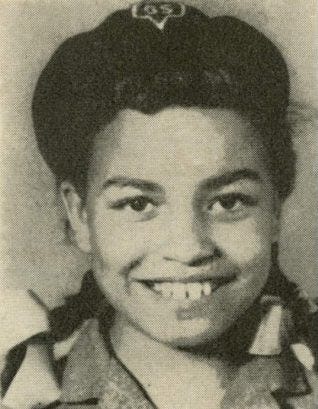
Davis was a hard worker and that included her studies. By her junior year of high school, Davis had been accepted by an American Friends Service Committee program that placed Black students from the South in integrated schools in the North. She chose Elisabeth Irwin High School in Greenwich Village. There she was recruited by a Communist youth group, Advance.
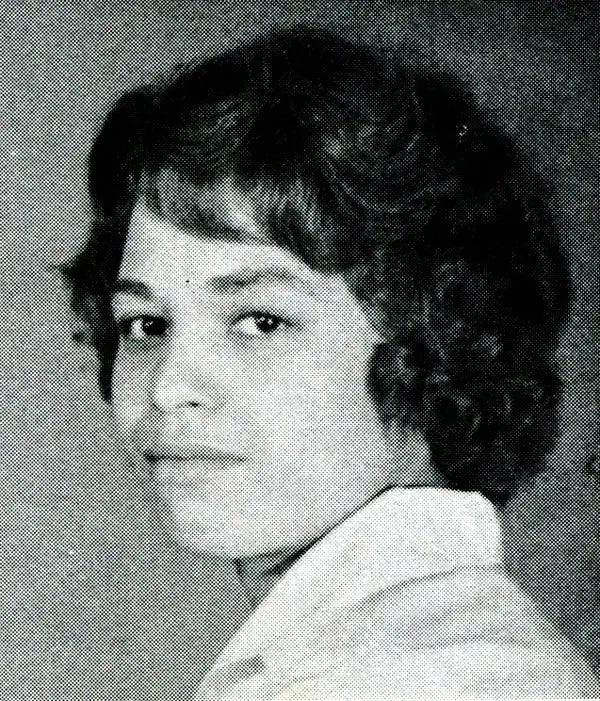
Upon graduation, Davis was awarded a scholarship to Massachusetts-based Brandeis. She was one of only three Black students in her class. After meeting philosopher Herbert Marcuse at a rally during the Cuban Missile Crisis, she went on to become his student. Davis has credited him with teaching her that it was possible to be an academic, an activist, a scholar, and a revolutionary.
Davis worked part-time to earn enough money to travel to France and Switzerland and attended the eighth World Festival of Youth and Students in Helsinki. She returned home in 1963 only to be interviewed by the FBI about her attendance at the Communist-sponsored festival.
During her second year at Brandeis, Davis chose to major in French while continuing her intensive study of philosopher and writer Jean-Paul Sartre. She was accepted by the Hamilton College Junior Year in France Program.
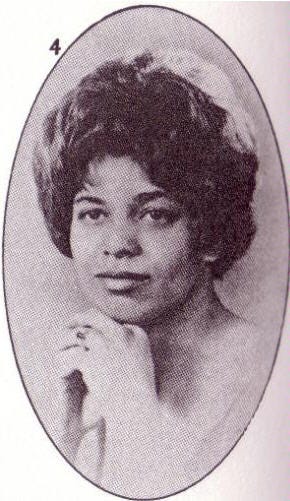
In Paris she lived with a French family. While there, she would learn of the 1963 Birmingham church bombing perpetrated by the Klan. Four Black girls, all of whom Davis was acquainted with, were killed in the bombing.
Though her major was in French, Davis realized that Philosophy was of more interest to her. She was particularly interested in the views held by her earlier professor and rally friend, Marcuse. On returning to Brandeis, she sat in on his course, and from there, she made plans to attend the University of Frankfurt to further her study of Philosophy as a graduate student under Marcuse. Two years later, Marcuse took a position at the University of California, San Diego, and Davis followed him.
Davis joined the all-Black branch of the Communist Party, “Che-Lumumba Club,” which was named for international Communist sympathizers and leaders Che Guevara and Patrice Lumumba. She would go on to earn her master’s degree from the University of California, San Diego, in 1968, and her doctorate in philosophy at the Humboldt University in East Berlin.
In 1969, after both Princeton and Swarthmore tried to recruit her, Davis accepted the position of acting assistant professor in the philosophy department at the University of California, Los Angeles (UCLA) due to its urban location. Davis was known as a radical feminist and activist, a member of the Communist Party USA, and a member of the Black Panthers.
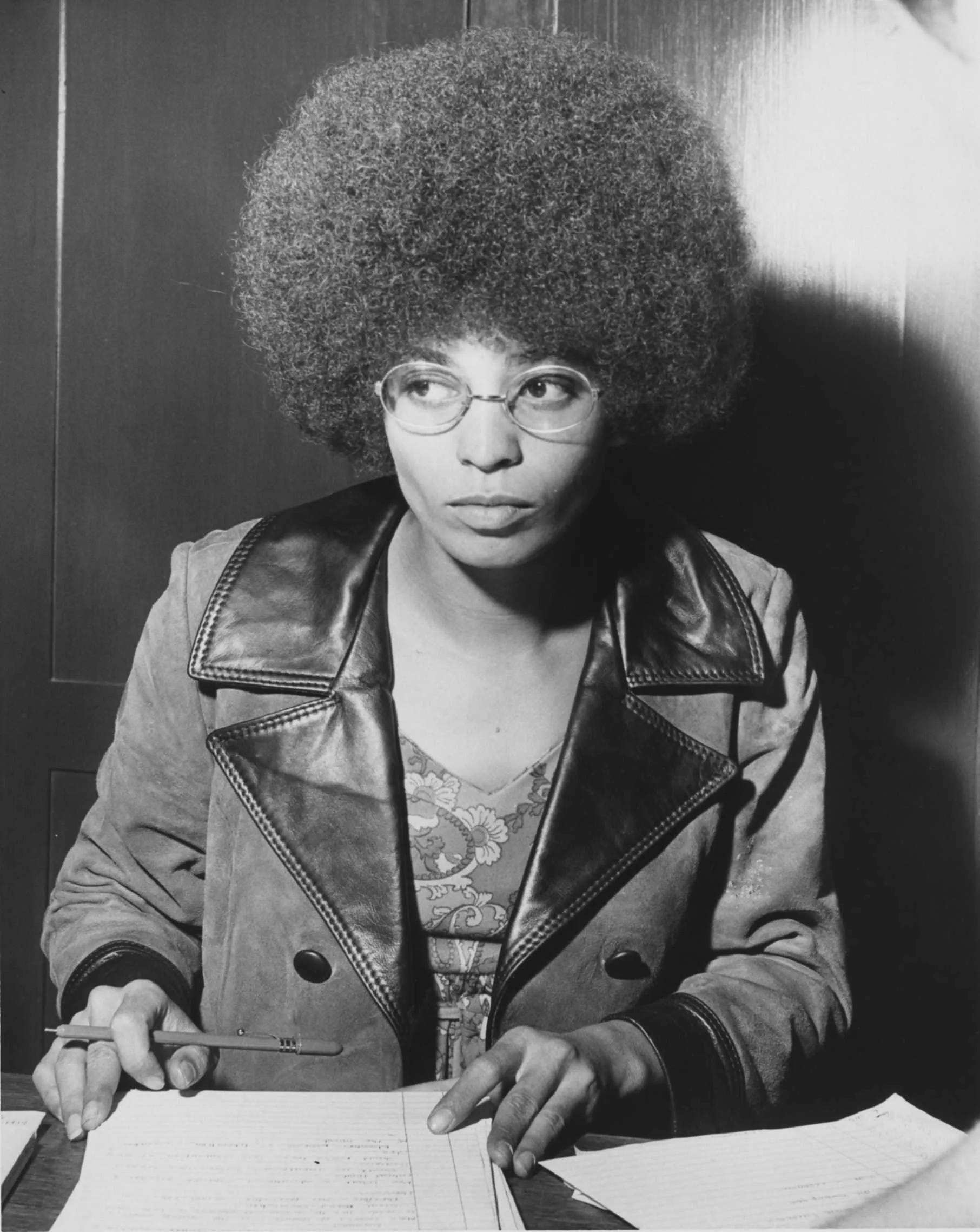
Later that year, urged on by dumpster fire and then-governor of California, Ronald Reagan, the governing board of the University of California, The Regents, fired Davis. The California Superior Court ruled that the Regents couldn’t fire Davis solely because of her affiliation with the Communist Party, and she resumed her post, but they turned around and fired her again in 1970 for the “inflammatory language” she had used in four different speeches. The American Association of University Professors would later censure the board for this action, stating that her academic freedom, which is essential to any great university, had been violated.
Davis was a loud opponent of the Vietnam War, and in 1969 she highlighted imperialism as the major cause of trouble for oppressed populations, including women, non-white communities, and the LGBTQ community.
“We are facing a common enemy and that enemy is Yankee Imperialism, which is killing us both here and abroad. Now I think anyone who would try to separate those struggles, anyone who would say that in order to consolidate an anti-war movement, we have to leave all of these other outlying issues out of the picture, is playing right into the hands of the enemy.”
A white prison guard opened fire during a fistfight at Soledad Prison with no warning and, in the process, killed three Black inmates on January 16, 1970. Three other Black inmates, referred to as the Soledad Brothers, would be charged with the retaliatory killing of a different prison guard. Once the story of what actually went down got out, the Soledad Brothers received vocalized support from celebrities, writers, and left-wing political activists including but not limited to Jane Fonda, Fonda’s husband at the time, activist Tom Hayden, Allen Ginsberg, and Angela Davis.
One of the Soledad Brothers, George Jackson, was affiliated with the Black Panthers and had been corresponding with, among other people, Angela Davis. His little brother, 17 year old Jonathan, would later gain control of a courtroom in Marin County, California. He armed the black defendants and took Judge Harold Haley, the prosecutor, and three female jurors as hostages. Shit went sideways and, among other things, the whole event ended with the death of Judge Haley.
As it turns out, Davis had purchased several of the firearms Jackson’s brother used in that attempt, and she was also found to have been corresponding with one of the inmates involved, George Jackson.
Due to the way the law was written, Davis was charged with “aggravated kidnapping and first degree murder in the death of Judge Harold Haley, and a warrant was issued for her arrest. A massive attempt to find and arrest Davis began at once, and four days after the warrant was issued, the FBI director J. Edgar Hoover listed Davis on the FBI’s Ten Most Wanted Fugitive List.
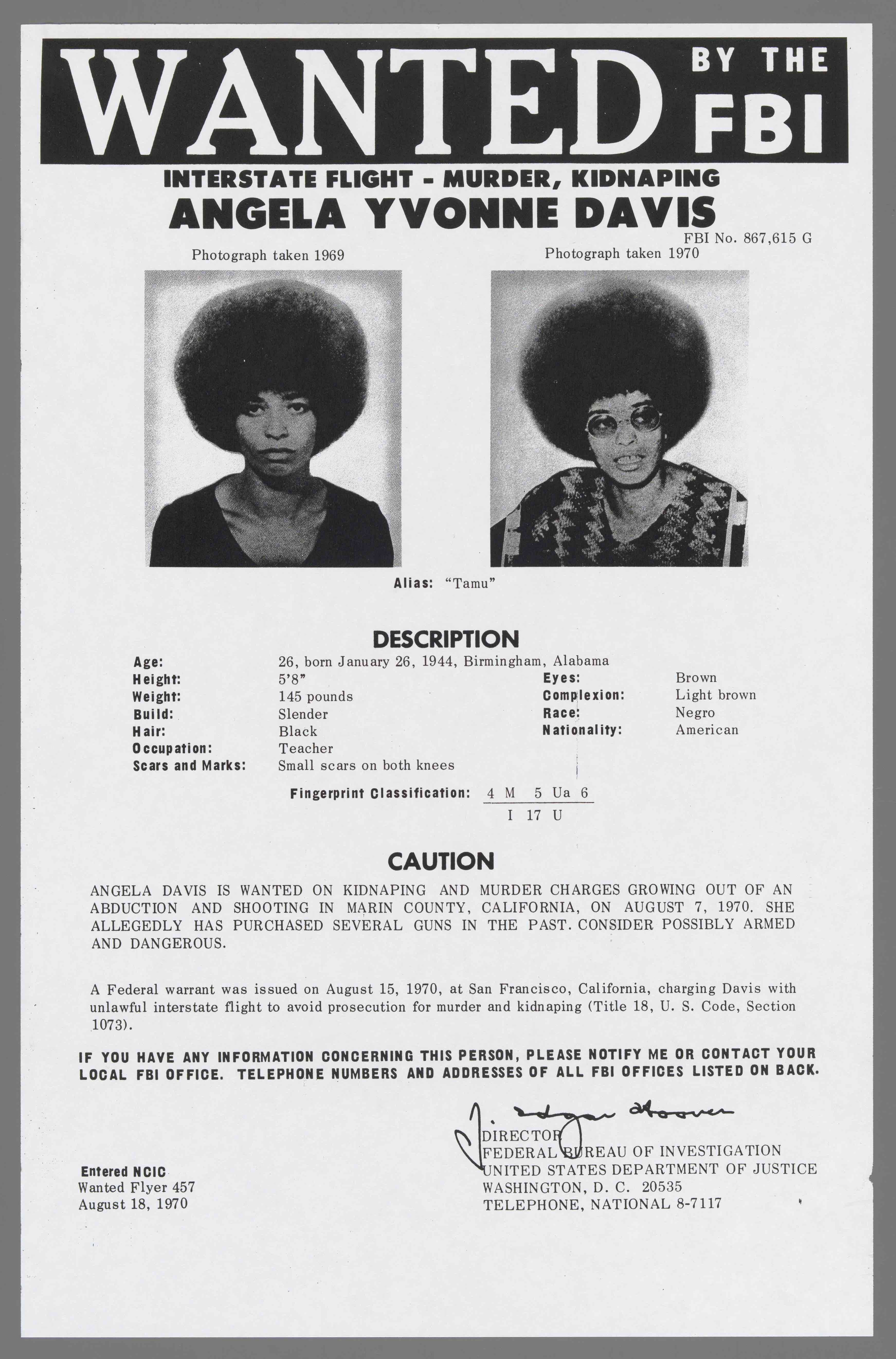
She was like fuck all of THIS and fled from California, hiding in friends’ homes and only traveling under the darkness of nightfall.
On October 13, 1970, FBI agents found her at a New York hotel. President Richard M. Nixon congratulated the FBI on its “capture of the dangerous terrorist Angela Davis.” Please.
Three months later, Davis appeared in court and declared her innocence.
“I now declare publicly before the court, before the people of this country that I am innocent of all charges which have been leveled against me by the state of California.”
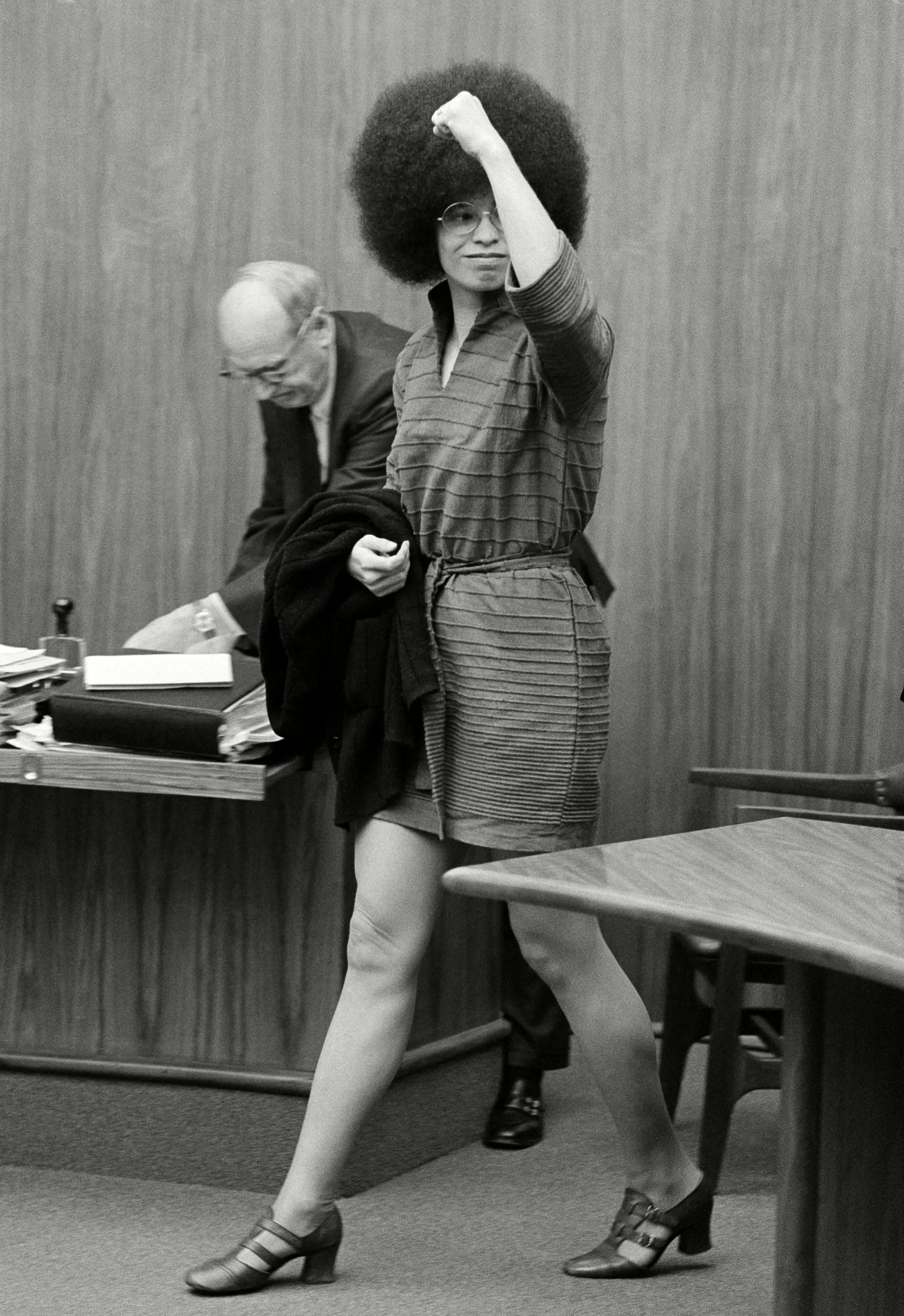
While being held a women’s prison, Davis was tossed into solitary confinement. With the help of her legal team, she was able to get back into general population with other prisoners.
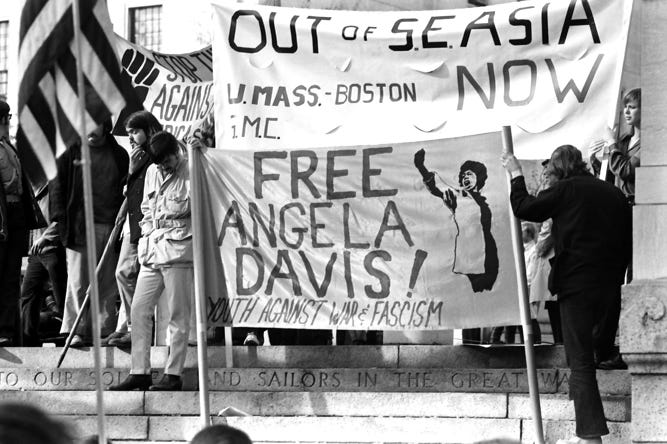
Word spread quickly, and thousands of people were calling for her release. In New York City, Black writers formed a committee called the Black People in Defense of Angela Davis. By February of the following year, more than 200 local committees in the United States, and 67 in foreign countries, worked to free Davis from prison. John Lennon and Yoko Ono contributed to this campaign with the song “Angela.” Other songs written for her are “Angela” by Quartetto Cetra, “Sweet Black Angel” by The Rolling Stones, and “Free Angela” by jazz musician Todd Cochran.
In 1972, after being jailed for 16 months, she was released on bail paid for by a California dairy farmer and a wealthy business owner. The United Presbyterian Church stepped up to pay a portion of Davis’s legal fees. And after 13 hours of deliberations, an all-white jury returned with a verdict of not guilty.
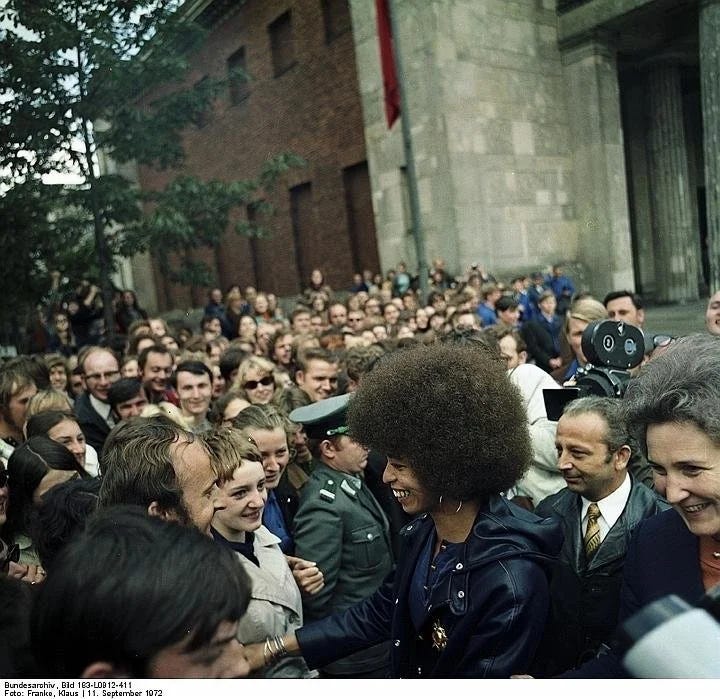
Once freed, Davis went on an international speaking tour as a member of a Communist Party delegation, one of the stops including Cuba. When she arrived to the rally, the welcome she received from Afro-Cubans in attendance was so adoring and LOUD that she was reportedly barely able to speak.
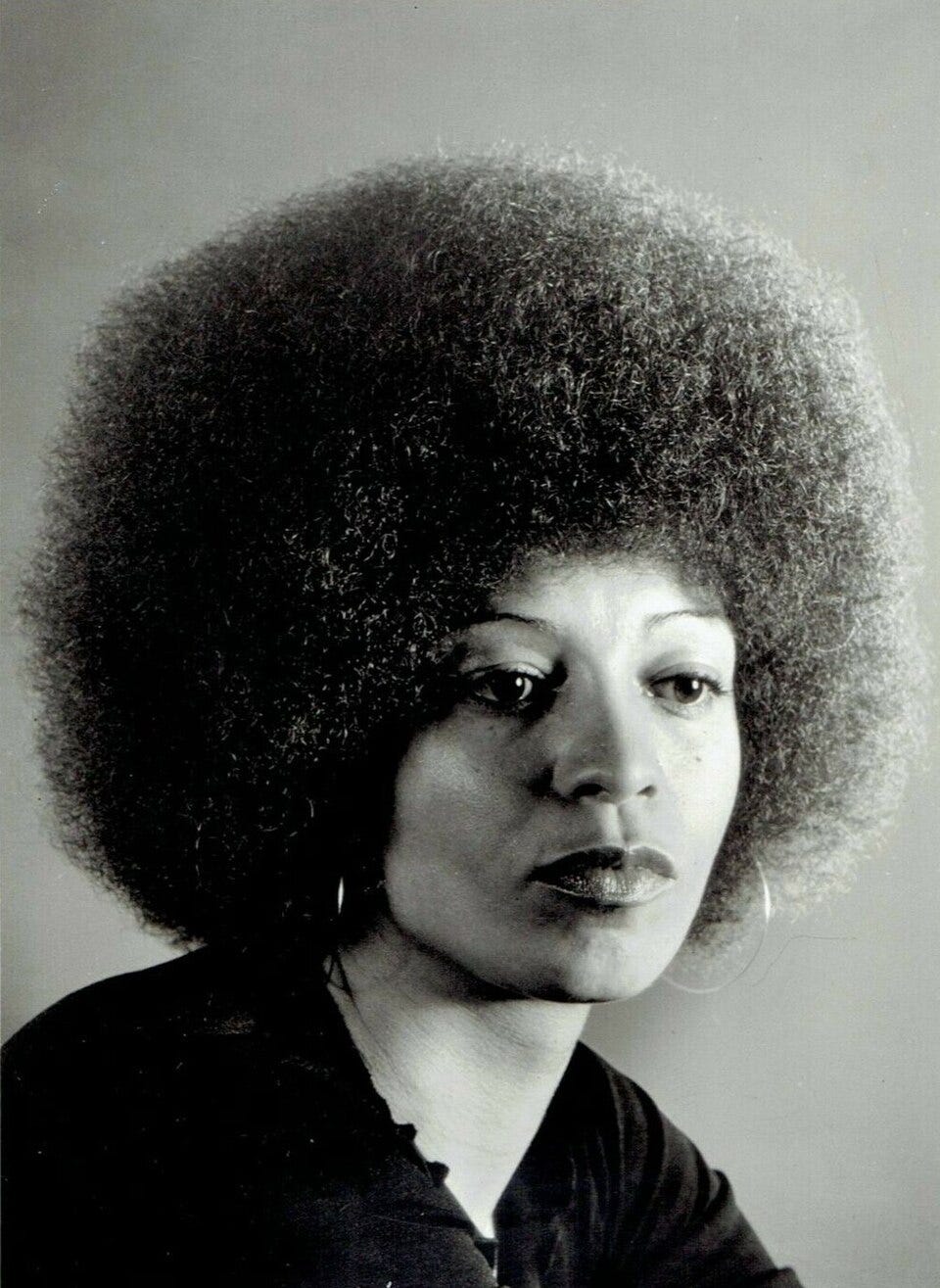
Davis experience in Cuba left her feeling that it was a mostly racism-free country, which led her to believe that “only under socialism could the fight against racism be successfully executed.” When she returned home to the United States, her socialist leanings increasingly influenced her understanding of race struggles.
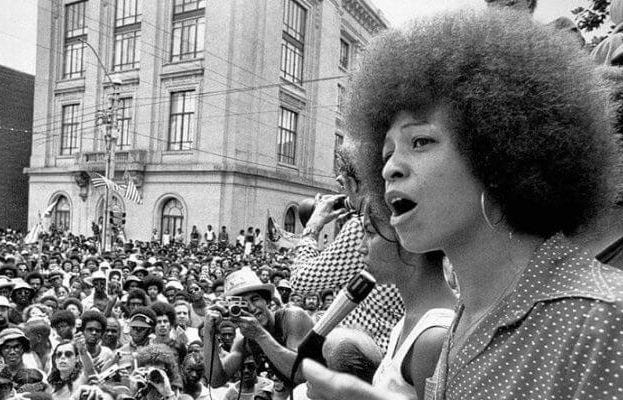
Davis has spent years since Cuba as active as she can, while being only one person, in all the fights she felt deserved her attention. She has dedicated her entire life and career fighting against racism, classism, and sexism. She is one of the founders of Critical Resistance, a national grassroots organization dedicated to building a movement to abolish the prison system. Since nothing has been resolved in any meaningful way yet because white supremacy is a motherfucker, she continues to rail against the prison industrial complex as well as our jacked-up immigration system.
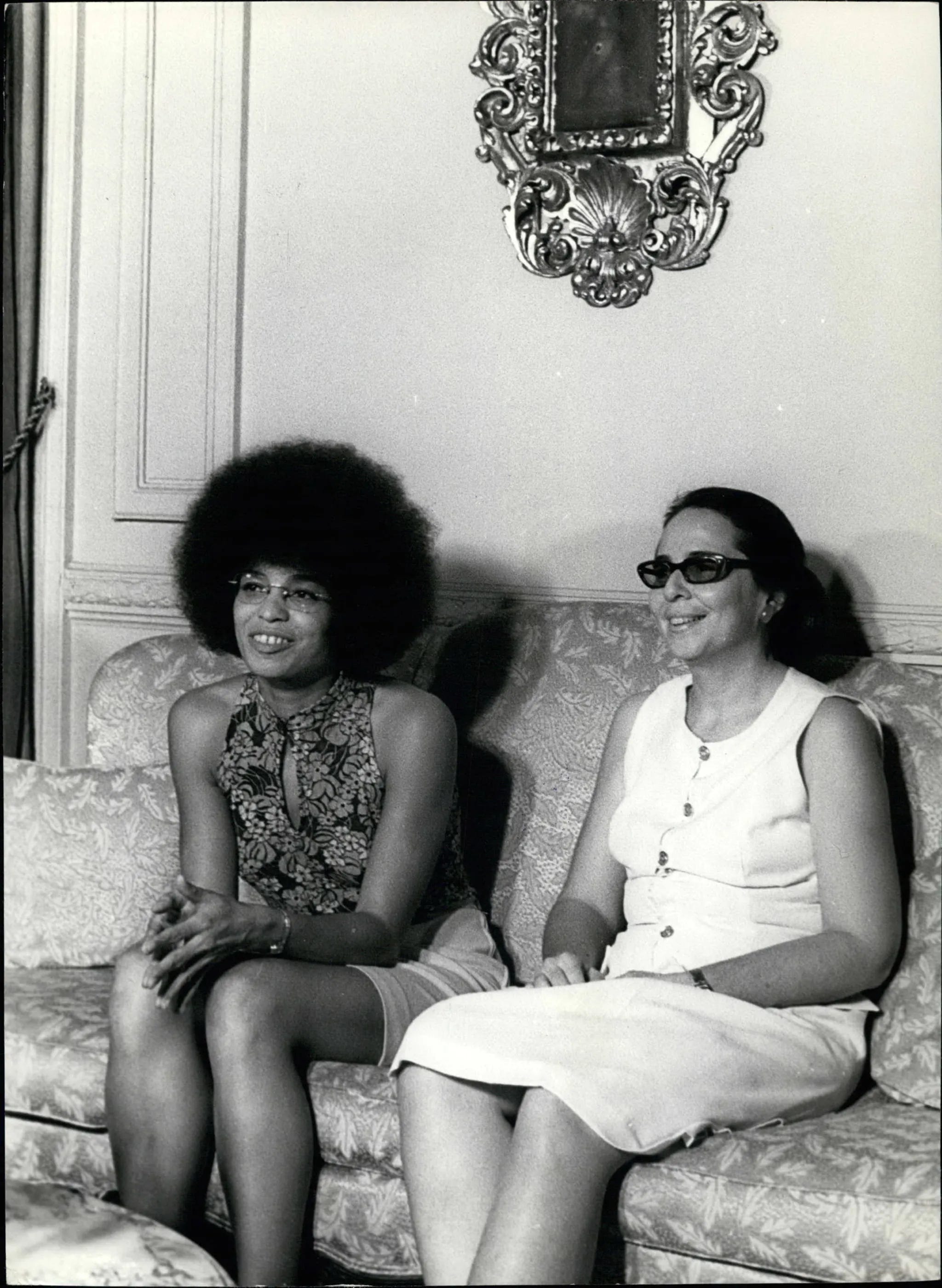
In 1991, Davis became a professor in the field of the history of consciousness at the University of California, Santa Cruz. In 1995, amid much controversy, she was appointed a presidential chair. She would later become professor emerita in 2008.
In the aftermath of Hurricane Katrina in 2005, she went on record to state how the clusterfuck that ensued was the fault of this country’s structural racism, capitalism, and imperialism, which no one who has eyes and the ability to formulate thought could possibly argue with.
Not afraid to call out bullshit within social justice movements, Davis stood in opposition to the 1995 Million Man March, arguing that the exclusion of women from this event promoted male chauvinism, calling out Louis Farrakhan and other organizers’ archaic belief that women should take subordinate roles in society. Together with Kimberlé Crenshaw and others, she formed the African American Agenda 2000, an alliance of black feminists.
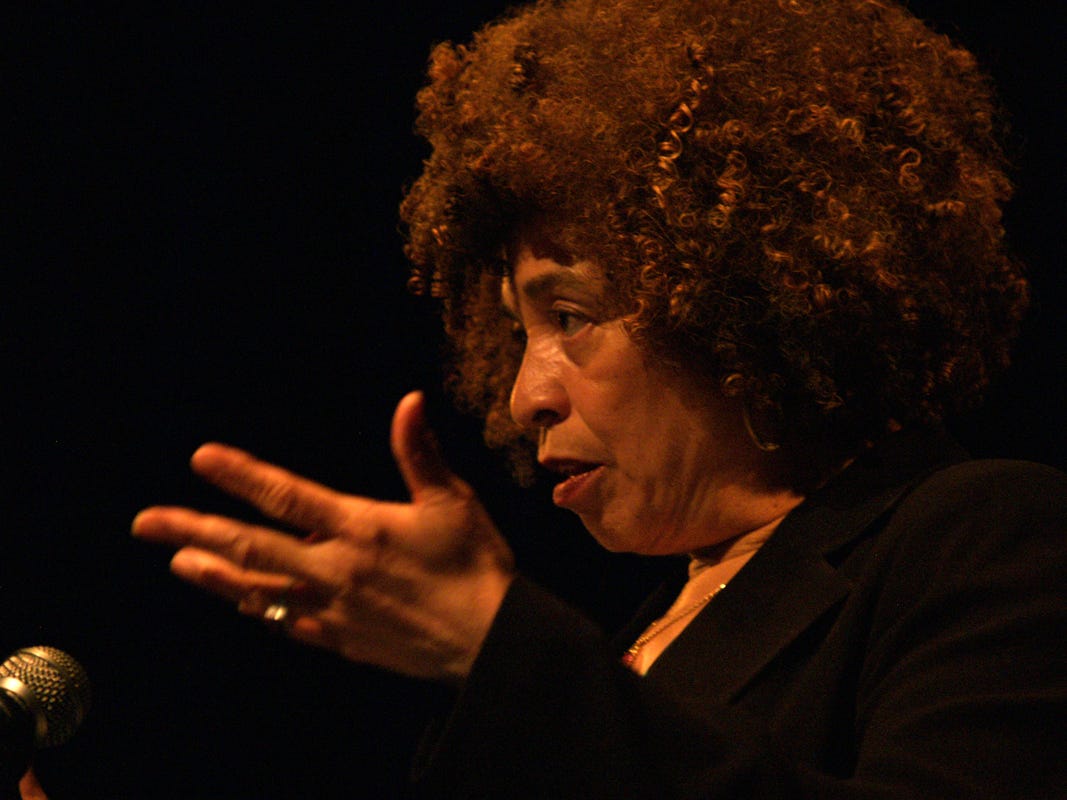
Davis was an honorary co-chair of the January 21, 2017, Women’s March on Washington, which occurred the day after the orange man’s inauguration. Rightwing jacknuts like the folks at National Review and other trumpian rags cried hard into their own pee puddles about it. Libertarian journalist Cathy Young had the fucking audacity to say that Davis’s political stances undermined the march.
Davis supported the Boycott, Divestment and Sanctions campaign against Israel. She and others feel that it’s absolutely imperative to understand that to hold Israel accountable for their actions against Palestine isn’t the same as anti-Semitism and has been backed up by multiple leaders in the Jewish community. Those who stood to lose the most money by any sanctions were the first to, often super-ironically, to start yelling about anti-Israel sentiments.
On January 7, 2019, the Birmingham Civil Rights Institute (BCRI) rescinded Davis’s Fred Shuttlesworth Human Rights Award, saying she “does not meet all of the criteria”. Birmingham Mayor Randall Woodfin and others pointed to Davis’s vocal support for Palestinian rights and her views on sanctions on Israel. Davis said her loss of the award was “not primarily an attack against me but rather against the very spirit of the indivisibility of justice.
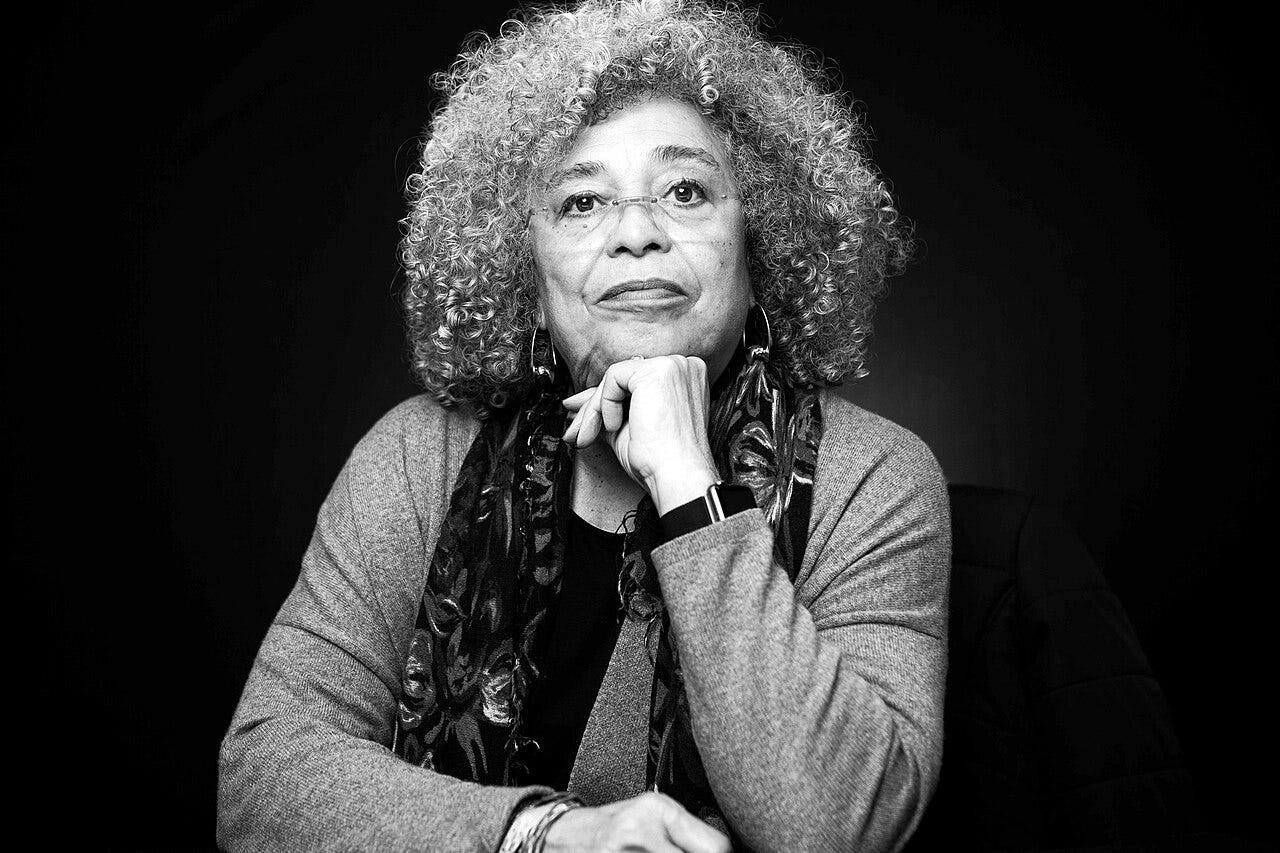
After unsurprising backlash, the BCRI reversed its decision and issued a public apology, stating that there should have been more public consultation.
Davis has recently stated that she feels optimism when surveying the demographic of those out there protesting racial injustice these days, feeling that something has changed and that, slowly, white people are beginning to understand.
“Many people previously, in response to the slogan Black Lives Matter, asked: ‘But shouldn’t we really be saying all lives matter?’ They’re now finally getting it. That as long as black people continue to be treated in this way, as long as the violence of racism remains what it is, then no one is safe.”
When discussing her incarceration in the early 70s, she emphasizes how differently her life could have gone, that she could very well have spent the rest of her life behind bars - or been killed, and that it was the widespread organization by her supporters, of activists that spared her life.
“So, in a sense, my continued work is based on the awareness that I would not be here had enough people not done the same kind of work for me. And I’ll continue to do this until the day I die.”
Well done.