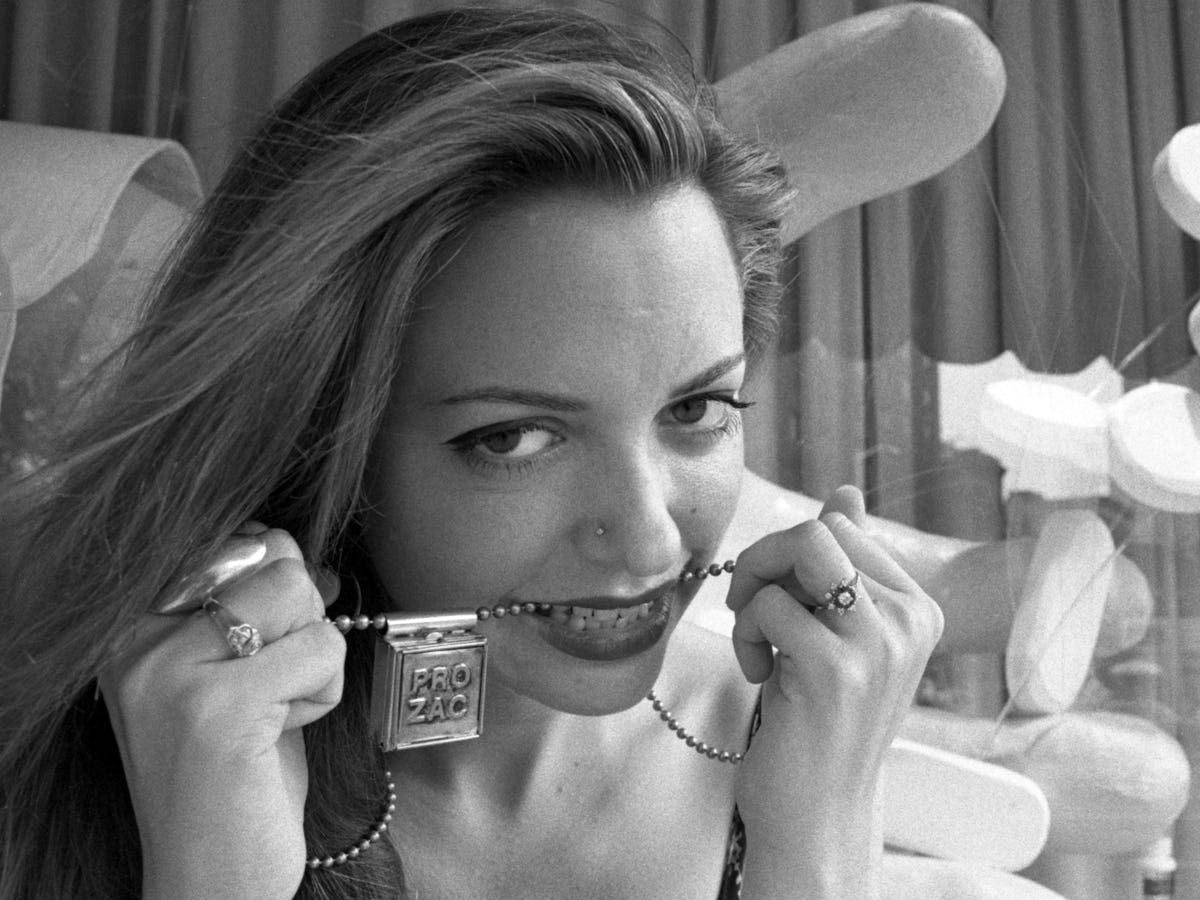
Elizabeth Wurtzel

Often compared to a modern-day Sylvia Plath, she was born on this day in 1967, in Manhattan. She first overdosed when she was only 12 on antihistamines while at summer camp. After stumbling for years through what might have been a life of ease if it wasn’t for soul-crushing depression and her failed attempts at numbing her own pain, she wrote a book that changed the landscape of the literary world, her style more or less replacing literary fiction: The memoir by a young woman no one has ever heard of before.
Meet Elizabeth Wurtzel.
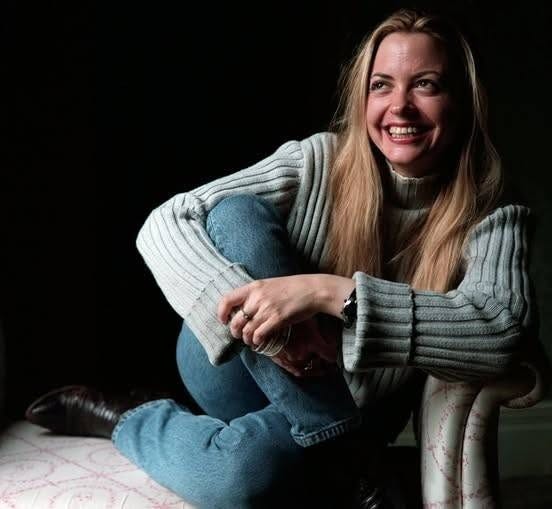
Wurtzel began writing her in-your-face memoir, “Prozac Nation,” in 1986 while attending Harvard. Originally a book about the university itself, it wasn’t even going to be about depression at first. But, as she told Vice in 1994, “Every fucking thing in it was about being depressed, so that changed it.”
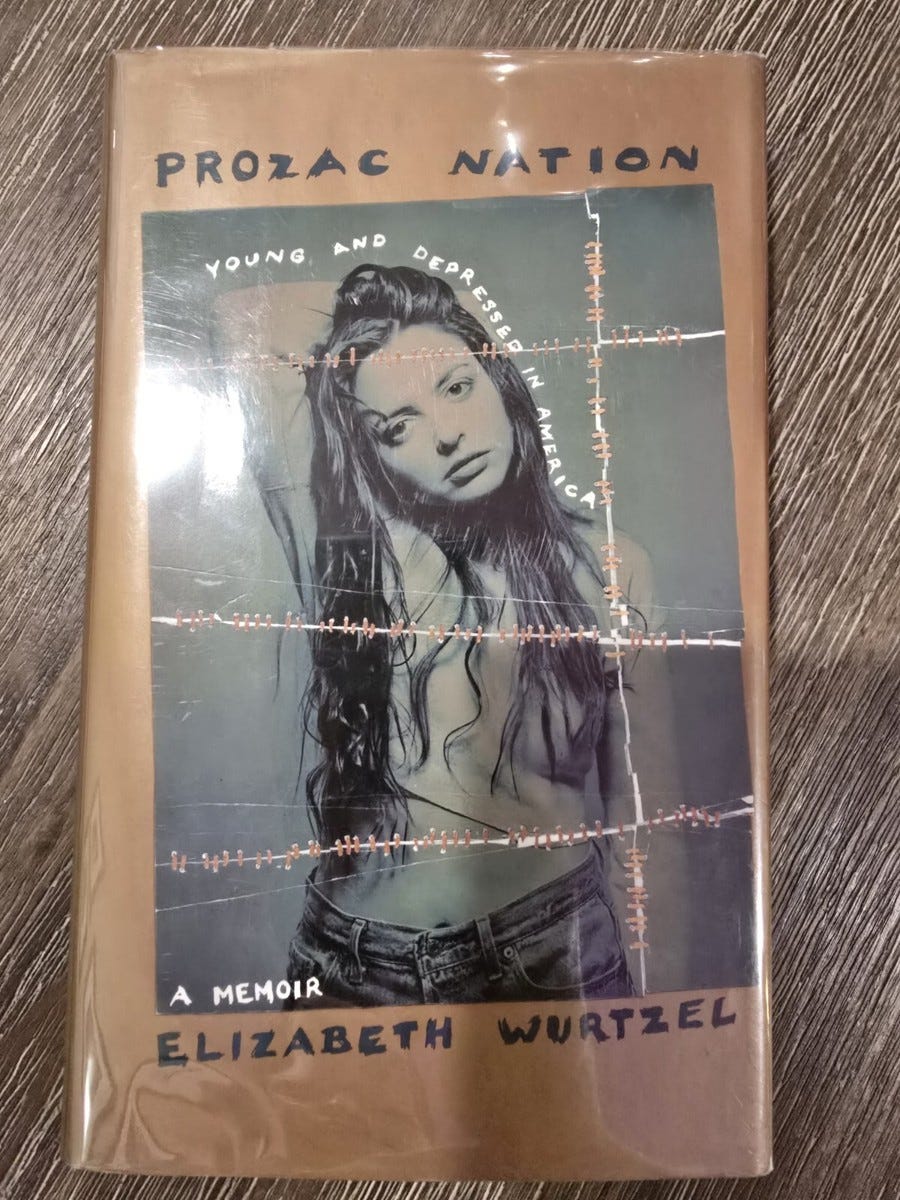
This book was published when she was 27. It was unpolished and uncensored in its accounts of her days at Harvard, her drug use, her extensive sex life and more.
It divided critics. Some wrote her off as self-centered and whiny. Poor little ivy league girl, get yourself together, you have it all. Who cares?
Others found it refreshing and, for many, relatable, while acknowledging that its self-pitying passages “make the reader want to shake the author and remind her that there are far worse fates than growing up during the ’70s in New York and going to Harvard,” as critic Michiko Kakutani wrote in the New York Times.
“But,” she added, “Ms. Wurtzel herself is hyperaware of the narcissistic nature of her problems, and her willingness to expose herself - narcissism and all - ultimately wins the reader over.”
As mentioned, her style was new and it was raw, a form that Wurtzel fashioned in her own image, primarily because she always needed to be both the character and the author.

A 2013 article in The New Yorker drew some obvious parallels between “Prozac Nation” and the HBO series “Girls.” Author Meghan Daum expressed the simultaneous admiration and frustration the book inspired in some women.
“We resented her for being such a famous and hot little mess,” she wrote, “yet we couldn’t help but begrudgingly admire her ability to parlay her neuroses into financial rewards and a place in the literary scene.”
Following her own lead with subsequent books, she continued with what worked. A later project of hers, “More, Now, Again: A Memoir of Addiction,” was published in 2002, and detailed her abuse of c0c@ine and of Ritalin which she would grind up and snort. As she put it in a 2013 essay for New York magazine, “I made a career out of my emotions.”
Wurtzel detailed the mistake so many of us make in trying to fix our own shit: Trying to run away from it. At each new chapter in her life—Harvard, relocating to Texas, running back to New York—Wurtzel was desperate for the magic change in scenery that would be “the fix,” only to find out, if nothing else, that her problems had festered in spite of her perceived momentum.
Many people feel that, as you read “Prozac Nation,” Wurtzel stops being “sympathetic.” But she knows this and doesn’t try to hide it. The strength of her writing was that it wasn’t a cry for help so much as a voyage into the beat down, fucked up, shitstorm the actual real life of its author/protagonist, sparing nothing in what it conveyed. As one critic said, Wurtzel “can’t be Narcissus before the pool because she hates so much of what she sees. She obsesses over herself because she must know her enemy.”
One could argue that those seeing her as just a spoiled, privileged girl who should know better because of what life has supposedly handed her are missing the whole fucking point. “Prozac Nation” is a stark reminder that you can grow up privileged and still have fuck-all to show for it when you’re mired in depression and self-loathing, and that our perceived markers of success count for little more than jack shit without inner peace.
And a book written by a struggling young woman in 1994 helped normalize talking about mental illness as well as introduce an unsparing style of confessional writing that remains influential and fully relevant today.
Elizabeth Wurtzel died in Manhattan from complications of metastasized breast cancer on January 7, 2020. Before her death, she wrote about that, too.
“Do you know what I’m scared of? Nothing.
Cancer just suits me.
I am good in a fight. This one goes on for the rest of my life. But I have been fighting with myself in one way or another all along. I am used to it. I can’t think of a time when my mind or my body was not out to get me. I am at ease with this discomfort. I am a ballerina doing a pirouette with perfect turnout in toe shoes, and it does not even hurt any more. I am elated. I love spinning this way. I would not have it otherwise.
I am a con artist and cancer is my final con.”